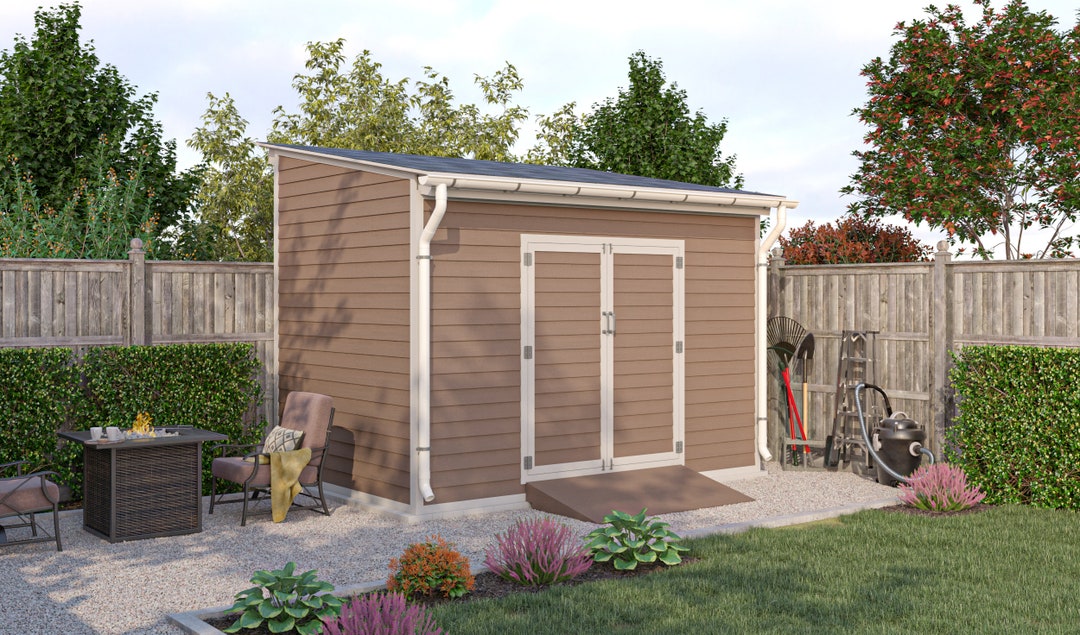
Create More Space with These Easy 8x12 Lean-To Shed Plans
The desire for additional storage or workspace is a common challenge faced by homeowners. Traditional shed construction can be both time-consuming and expensive, often requiring specialized tools and significant construction experience. A lean-to shed, however, offers a compelling alternative. These simple structures, attached to an existing building, provide a practical solution for expanding usable space without the complexities of a freestanding shed. This comprehensive guide provides detailed plans for constructing an efficient and durable 8x12 lean-to shed, perfect for various applications, from garden storage to a home workshop.
I. Planning and Preparation: Laying the Foundation for Success
Before commencing construction, meticulous planning is paramount. This phase ensures a smooth and efficient building process, minimizes errors, and maximizes the longevity and functionality of your lean-to shed. Thorough preparation is the cornerstone of a successful project.
A. Site Selection and Assessment
The ideal location for your lean-to shed should consider several factors. Accessibility is crucial, ensuring easy access for material delivery and future use. Proximity to a power source can be beneficial for workshop applications. Assess the ground conditions, noting any potential drainage issues or uneven terrain. Finally, ensure the chosen location complies with all relevant building codes and regulations in your area.
B. Material Selection: Choosing Quality Materials for Durability
The longevity and stability of your lean-to shed are directly correlated to the quality of materials used. Opt for pressure-treated lumber for the foundation and framing to resist rot and insect damage. For roofing, consider asphalt shingles for their affordability and ease of installation, or metal roofing for enhanced durability and longevity. Choose appropriate fasteners, ensuring they are compatible with the chosen materials and designed for outdoor use. A detailed materials list, specifying quantities, is essential for accurate budgeting and purchasing.
C. Obtaining Necessary Permits
Check with your local building department to ascertain whether permits are required for the construction of your lean-to shed. Failure to obtain necessary permits can result in significant fines and potential demolition orders. The permit application process typically involves submitting detailed plans and specifications of your project, including dimensions, materials, and foundation type. Allow sufficient time for the review and approval process.
II. Construction: A Step-by-Step Guide to Building Your Lean-To Shed
The following steps outline the construction process of an 8x12 lean-to shed. Remember to prioritize safety throughout the entire process, wearing appropriate personal protective equipment (PPE), such as safety glasses and work gloves.
A. Foundation Construction: Creating a Stable Base
A solid foundation is crucial for the stability and longevity of your shed. For an 8x12 lean-to, a concrete slab or a compacted gravel base provides an excellent foundation. Ensure the base is level and adequately sized to support the structure. For a concrete slab, consult with a concrete contractor for professional installation. A compacted gravel base involves excavating the designated area, adding gravel in layers, and compacting each layer thoroughly.
B. Framing the Structure: Building the Skeleton of Your Shed
The framing process involves constructing the wall and roof frames using pressure-treated lumber. Begin by building the base frame, ensuring it's square and level. Then, erect the wall frames, ensuring they are plumb and properly braced. For the roof frame, use appropriate angles to create the desired lean-to slope. Proper bracing is essential to ensure structural integrity and withstand various weather conditions.
C. Roofing: Protecting Your Shed from the Elements
After completing the framing, install the roofing material. Begin by laying down underlayment to provide an additional layer of protection against moisture. Then, install the chosen roofing material, following the manufacturer's instructions carefully. Ensure proper overlapping and sealing to prevent leaks. Proper roof ventilation is also essential to prevent moisture buildup and potential damage.
D. Siding and Finishing: Adding the Finishing Touches
Once the roof is completed, install the siding material. This can be wood, vinyl, or metal siding, depending on your preference and budget. Ensure proper sealing around windows and doors to prevent water infiltration. Add finishing touches, such as trim and weather stripping, to enhance the shed's aesthetic appeal and weather resistance.
E. Door and Window Installation: Enhancing Accessibility and Ventilation
Install doors and windows, ensuring they are properly secured and sealed. Choose appropriately sized doors and windows based on your intended use of the shed. Consider the placement of windows to maximize natural light and ventilation.
III. Safety Precautions and Considerations
Safety should be a paramount concern throughout the entire construction process. Always follow these important safety precautions:
- Wear appropriate personal protective equipment (PPE), including safety glasses, work gloves, and hearing protection.
- Use proper lifting techniques to avoid injuries.
- Ensure the work area is well-lit and free of obstructions.
- Use caution when working with power tools.
- Inspect tools regularly for damage or wear.
- Follow all manufacturer's instructions for tools and materials.
- Consult with a professional if you encounter any unforeseen challenges.
IV. Customization and Expansion: Adapting to Your Needs
The provided plans serve as a foundation for your 8x12 lean-to shed. Feel free to customize it to better suit your individual needs and preferences. Consider adding shelving units, workbenches, or electrical outlets, depending on your intended use. The flexibility of a lean-to shed allows for easy expansion and adaptation to changing needs over time.
By following these detailed plans and adhering to safety guidelines, you can successfully construct a functional and durable 8x12 lean-to shed, effectively expanding your usable space and enhancing the functionality of your property. Remember to always consult local building codes and regulations before starting your project.


0 comments:
Post a Comment
Note: Only a member of this blog may post a comment.